More Than One Motive
European ocean exploration did not have one simple cause. During the 1400s and 1500s, rulers, merchants, religious leaders, and sailors could support the same voyage for different reasons. Some wanted profit, some wanted political power, some hoped to spread Christianity, and some sought knowledge, status, or adventure.
People sometimes summarize these motives as “gold, glory, and God.” The phrase is useful as a memory tool, but it can hide important details. Voyages depended on older Afro-Eurasian trade networks, new partnerships between governments and investors, and competition among European states. Motives also changed as voyages led to conquest and colonization.
Trade and the Search for Wealth
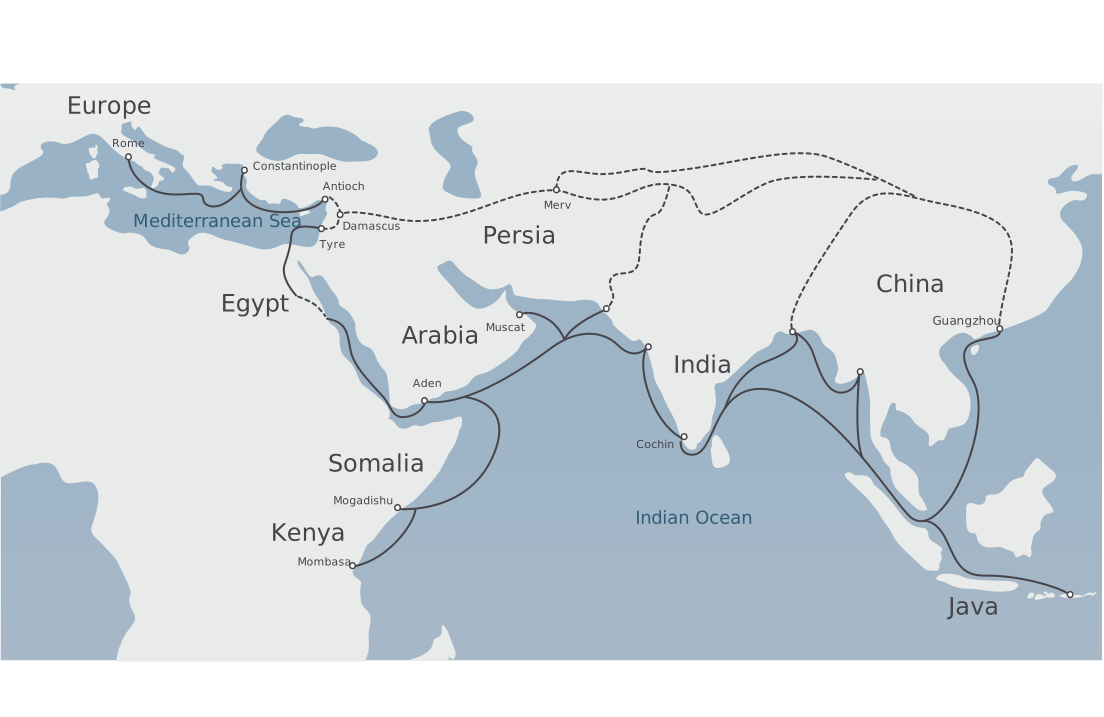
European buyers wanted Asian spices, silk, porcelain, and other valuable goods. These products already moved through networks managed by Asian, African, Middle Eastern, and European merchants. Portuguese rulers and merchants hoped that sailing around Africa would give them more direct access to Indian Ocean markets.
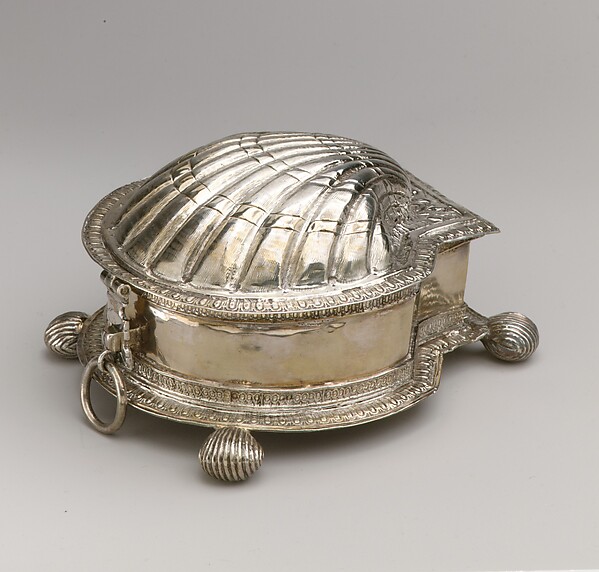
A successful route could bring customs taxes and commercial profits to a kingdom. Voyagers also searched for gold, silver, and other resources. Yet exploration was expensive and dangerous. Sponsors paid for ships, crews, food, weapons, and trade goods without knowing whether a voyage would return a profit.
Competition and Political Power
Europe was divided into competing kingdoms and states. Portugal’s voyages along Africa encouraged Spain to support a westward expedition led by Christopher Columbus. England, France, and the Netherlands later sponsored voyages and settlements as they challenged Spanish and Portuguese power.
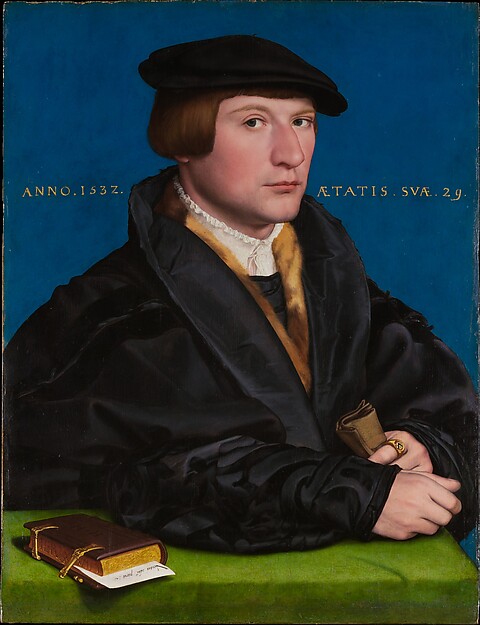
Rulers hoped overseas routes and claims would strengthen their kingdoms. A voyage might open trade, create a military advantage, or support an empire. Explorers could receive titles, payments, or authority to govern claimed lands. European claims, however, ignored the sovereignty of the peoples who already lived in those places.
Religion and Missionary Goals
Christianity was another important motive. After centuries of conflict among Christian and Muslim powers, some European rulers hoped to find Christian allies, spread their faith, and weaken rivals. Catholic monarchs in Spain and Portugal supported missionaries as their overseas empires expanded.
Missionaries did not enter empty lands. Indigenous peoples had their own religions, governments, and cultures. Some adopted parts of Christianity by choice or blended new teachings with existing beliefs. Others resisted. In many colonies, conversion was tied to conquest, forced labor, violence, and attempts to replace Indigenous traditions.
Searching for Routes—and a Northwest Passage
Geography shaped European plans. Portuguese sailors traveled south along Africa and eventually reached the Indian Ocean. Columbus sailed west across the Atlantic because he believed Asia could be reached that way. He reached Caribbean islands instead, lands already inhabited by Indigenous peoples.
Later English, French, and Dutch expeditions searched for a Northwest Passage—a water route through or around North America to Asia. No practical passage was found during this period, but the search led Europeans to map coastlines, enter waterways, trade, and claim territory in North America.
Exploration for Whom?
The word exploration describes a place as unfamiliar to the traveler, not unknown to everyone. The Americas were home to millions of people and many organized societies. African and Asian sailors, merchants, and mapmakers also possessed geographic knowledge that Europeans used. Calling inhabited lands “new” or “undiscovered” presents only the European viewpoint.
European voyages connected regions more directly and expanded geographic knowledge in Europe. They also opened the way for invasion, epidemic disease, forced labor, enslavement, land loss, and colonization. To understand the Age of Exploration accurately, historians examine both the motives of the voyagers and the consequences for the peoples they encountered.
Check Your Understanding
Choose the best answer. If you miss one, use the feedback and try again.
Which answer best explains why European rulers sponsored ocean voyages?
What was the Northwest Passage?
Why should historians be careful with words such as ‘unknown’ and ‘discovered’?