From Claims to Colonies
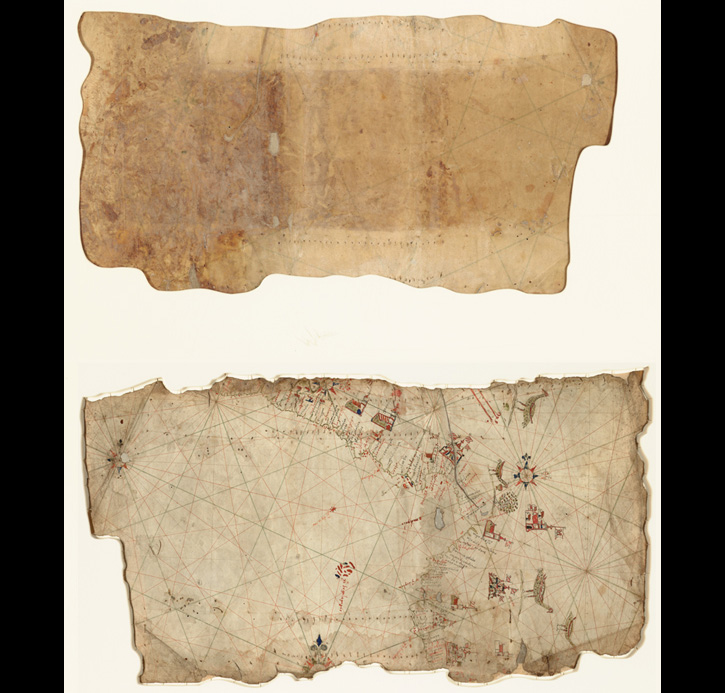
A royal claim on a map did not give Spain control of land across the Atlantic. Building an empire required soldiers, settlers, officials, ships, money, and lasting supply lines. It also required Spain to overcome or cooperate with the many Indigenous nations that already governed the Americas.
Beginning in the Caribbean, Spanish expeditions established towns and forts and searched for gold. Colonizers demanded land and labor from Taíno communities. Disease, warfare, captivity, and forced work caused enormous suffering. The Caribbean then became a base for expeditions to the mainland.
Conquest Depended on Indigenous Alliances
Spanish conquistadors, or conquerors, did not defeat large American empires by acting alone. Hernán Cortés entered Mexico in 1519 with several hundred Spaniards. Thousands of Indigenous allies—especially Tlaxcalans and other peoples who opposed Mexica rule—fought alongside his forces. Smallpox, political divisions, steel weapons, horses, and siege warfare also helped bring down Tenochtitlan in 1521.
In the Andes, Francisco Pizarro’s force captured the Inca ruler Atahualpa in 1532 during a civil war. Spanish invaders used existing conflicts and later faced repeated resistance. These conquests were not quick stories of a few Europeans defeating helpless peoples. They were violent struggles shaped by Indigenous decisions, rivalries, alliances, epidemics, and continued resistance.
Spain Organizes New Spain and Peru
The Spanish Crown created colonial governments to control distant territories. Two major viceroyalties were New Spain, centered in Mexico City, and Peru, centered in Lima. A viceroy governed in the king’s name, while courts and local officials collected taxes, enforced laws, and supervised towns and trade.
Colonial society included Indigenous peoples, Europeans, Africans, and people of mixed ancestry. Spain tried to rank people by birthplace and ancestry, but daily life was more complex than official categories suggested. Indigenous communities preserved local governments, languages, trade, and landholding where they could, while also negotiating with colonial courts and officials.
Labor and Wealth Supported the Empire
Spain’s empire sought wealth from farming, tribute, and mines. Through the encomienda system, the Crown granted colonists the right to demand tribute or labor from particular Indigenous communities. Encomenderos were supposed to protect and teach Christianity, but many abused the system and seized land or forced people into exhausting work.
Silver mining later became especially important, including at Potosí in the Andes. Colonial officials adapted the Inca mit’a labor system to force many Indigenous men into dangerous mine work. Enslaved Africans were also brought to Spanish colonies and labored in mines, farms, ranches, workshops, ports, and homes. American silver enriched merchants and the Crown and entered trading networks that reached Europe and Asia.
Religion and Cultural Change
Catholic missionaries founded churches, schools, and missions. Some tried to destroy Indigenous religious objects and ceremonies, and conversion could be tied to colonial pressure or force. Yet Indigenous peoples did not simply abandon their beliefs. Communities resisted, adapted, and sometimes blended Christian teachings with older traditions.
New languages, foods, music, art, and family networks developed through the meeting of Indigenous, African, and European peoples. Cultural exchange occurred under unequal conditions, but colonized people remained active decision-makers who protected knowledge and created new forms of community life.
Resistance Never Ended
Spanish control was never complete. Indigenous nations fought invasions, left missions and settlements, preserved ceremonies, used colonial courts, withheld labor, formed alliances, and rebuilt communities. Inca resistance continued for decades after Pizarro’s first victory. Revolts also challenged Spanish rule in many regions.
Spain built a vast empire, but a map of its claims can hide the limits of colonial power. Local conditions differed, borders shifted, and many Indigenous homelands remained outside effective Spanish control. A complete history therefore examines both imperial institutions and the people who resisted, negotiated, survived, and remain present today.
Check Your Understanding
Choose the best answer. If you miss one, use the feedback and try again.
Why is it inaccurate to say a few Spanish conquistadors defeated large Indigenous empires by themselves?
What did the encomienda system allow Spanish colonists to demand?
Which statement best describes resistance to Spanish rule?