Why Portugal Looked to the Atlantic
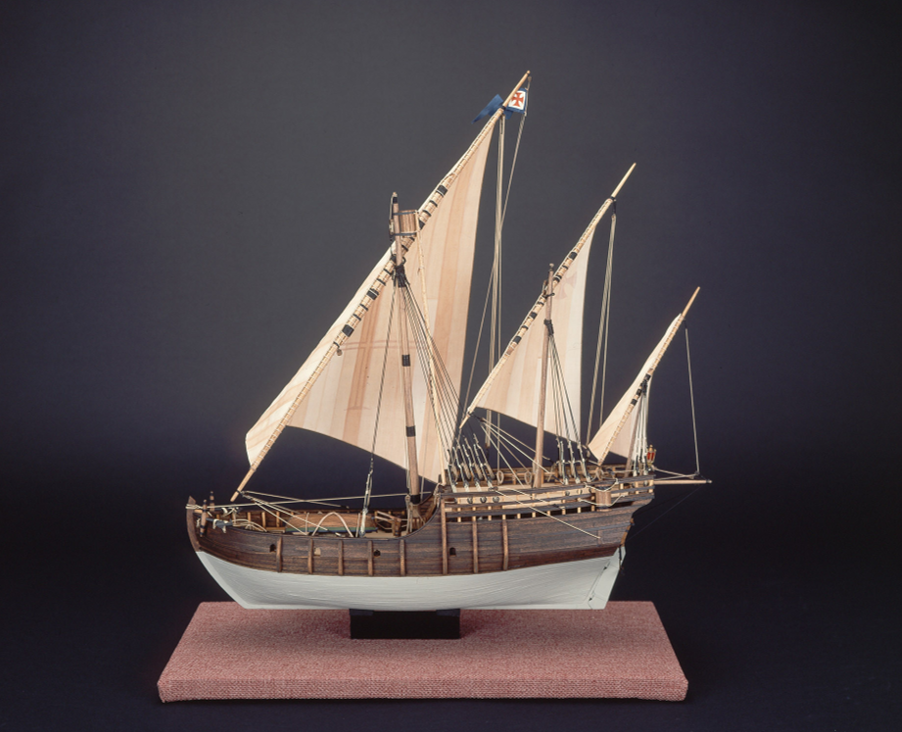
Portugal sits on the western edge of the Iberian Peninsula, facing the Atlantic Ocean. During the 1400s, Portuguese rulers and merchants wanted greater access to West African gold and to the valuable goods of Asian markets. They also hoped to expand Christian influence and compete with Muslim states and other European kingdoms.
Portugal did not enter an empty or isolated world. African merchants and kingdoms already controlled regional and long-distance trade, while the Indian Ocean connected ports in East Africa, the Middle East, South Asia, and Southeast Asia. Portuguese leaders hoped ocean voyages would allow them to enter these older networks and redirect some of their wealth toward Portugal.
Prince Henry and Early Voyages
Prince Henry of Portugal, later called Henry the Navigator, supported voyages along the western coast of Africa beginning in the early 1400s. He did not personally sail on most of these expeditions, and the popular story that he founded a formal navigation school at Sagres is not supported by strong evidence. His importance came from sponsoring voyages and helping bring together money, ships, charts, and experienced sailors.
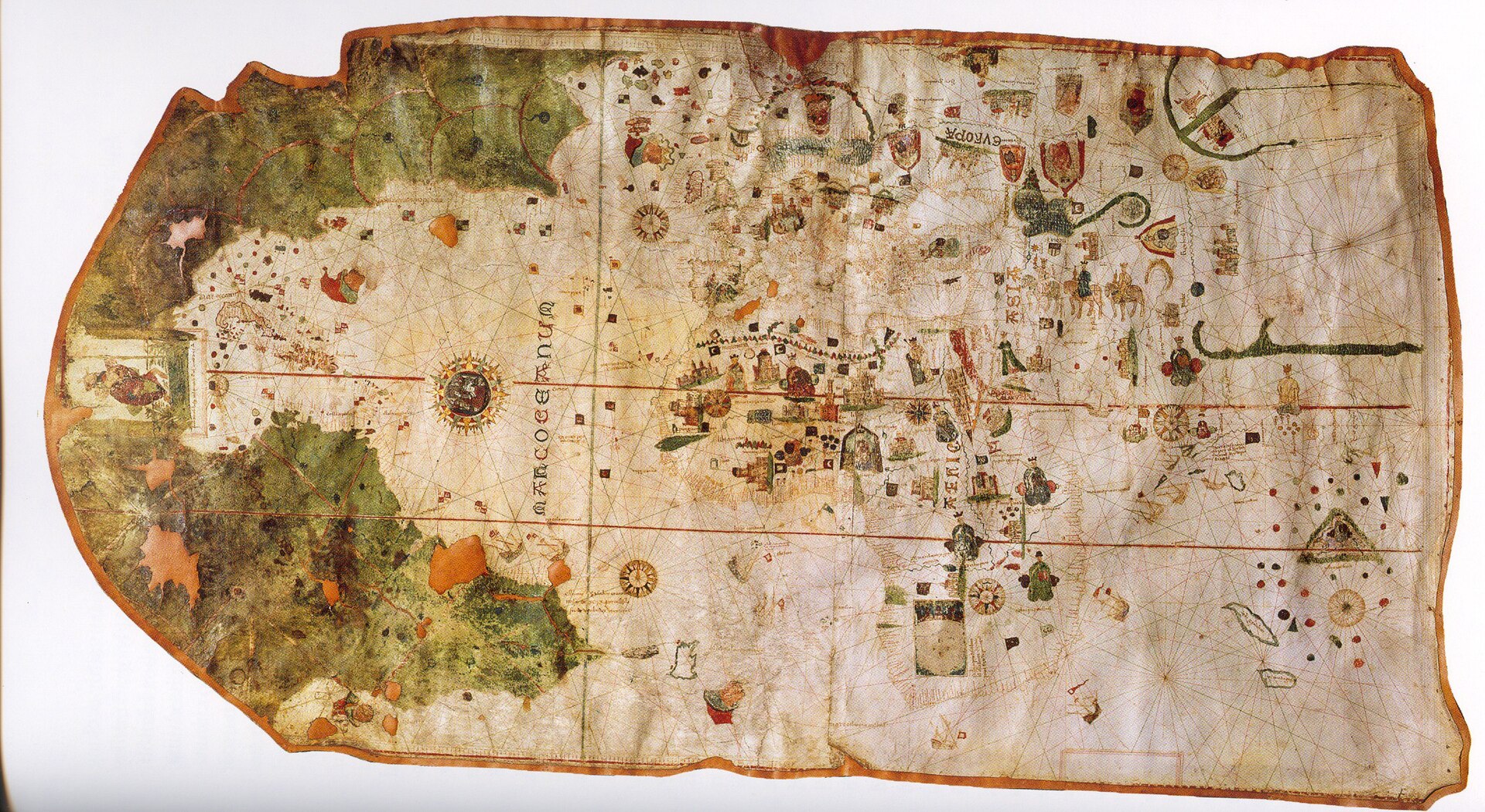
Portuguese mariners gradually learned Atlantic winds and currents, explored island groups such as Madeira and the Azores, and sailed farther south along Africa. Progress took decades. Each voyage added knowledge that later crews could use, though Portuguese expeditions also began systems of raiding, captivity, and enslaved labor that caused great harm.
Trade, Forts, and Violence on the African Coast
Portuguese ships traded for gold, ivory, pepper, and other goods at African ports. In 1482, Portugal built Elmina Castle on the coast of present-day Ghana to protect its access to the gold trade. Portuguese sailors depended on negotiation and exchange with African rulers and merchants, who made their own choices and defended their interests.
Trade was not the only form of contact. Portuguese crews attacked some coastal communities and captured Africans. The crown regulated and profited from the growing traffic in enslaved people. These voyages therefore combined geographic learning and commerce with violence and helped expand an Atlantic slave trade that would later grow much larger.
Dias Rounds Southern Africa
In 1487, Bartolomeu Dias left Portugal with a small fleet. Storms pushed his ships away from the coast. When the crews turned east and found no land, then sailed north, they realized they had passed the southern tip of Africa. In 1488, they entered waters on Africa’s southeastern coast.
Dias called the stormy headland the Cape of Storms. King John II renamed it the Cape of Good Hope because the route offered hope of reaching the Indian Ocean and Asian markets by sea. Dias’s voyage proved that ships could travel around southern Africa, but his exhausted crew forced the expedition to turn back before reaching India.
Vasco da Gama Reaches India
In 1497, Vasco da Gama sailed from Portugal with four ships. His fleet followed the Atlantic winds far from the West African coast, rounded the Cape of Good Hope, and stopped at ports along East Africa. With help from an experienced pilot, the expedition crossed the Indian Ocean and reached Calicut, now Kozhikode, on India’s southwest coast in May 1498.
Da Gama reached a wealthy trading city, not an unknown marketplace. Merchants there traded spices, textiles, and other goods across the Indian Ocean. The Portuguese brought gifts that local leaders considered unimpressive, and negotiations were difficult. Even so, the voyage demonstrated a direct sea connection between Portugal and India. The return trip was deadly; many crew members died from disease and hardship.
A Route That Changed Trade—and Power
Da Gama’s voyage did not create Indian Ocean trade. It connected Portugal by sea to a commercial system already built by African, Arab, Persian, Indian, and Southeast Asian merchants. Portugal soon sent armed fleets to gain control of important ports and sea lanes. Portuguese forces used cannon fire, attacks, and fortified trading posts as well as diplomacy and trade.
The new route increased the movement of goods and information between the Atlantic and Indian Oceans. It also began a period of Portuguese imperial expansion marked by coercion and violence. The voyages of Dias and da Gama were geographic achievements, but their full history includes the skilled societies they encountered and the unequal empire Portugal tried to build.
Check Your Understanding
Choose the best answer. If you miss one, use the feedback and try again.
What did Bartolomeu Dias’s 1488 voyage demonstrate?
Why was Vasco da Gama’s arrival at Calicut important?
Which statement gives the most complete account of Portuguese expansion?