Europe Was Changing
The Age of Exploration did not begin with one invention or one voyage. During the 1300s and 1400s, several long-term changes reshaped parts of Europe. Trade grew, towns expanded, scholars studied old and new knowledge, and rulers competed for wealth and power. Together, these changes made it more likely that European kingdoms would sponsor risky ocean voyages.
Europe was not one united country. It included kingdoms, small states, and independent cities with different languages, laws, and interests. Change also happened unevenly. Most people still farmed, travel remained difficult, and poverty and disease were common. Even so, wealthy ports, courts, and commercial cities had the money and connections needed to support new projects.
Trade and the Wealth of Cities
European merchants wanted goods from Asia and other regions, including spices, silk, precious stones, and fine cloth. These goods reached Europe through long networks of land and sea routes. Merchants, sailors, and communities in Africa, Asia, and the Middle East were essential parts of this trade. Europeans did not create the networks; they joined systems that had existed for centuries.
Italian city-states such as Venice and Genoa became important Mediterranean trading centers. Venice built an overseas commercial empire and became one of Europe’s wealthiest cities. Profits from trade supported banks, workshops, shipbuilding, art, and education. At the same time, competition encouraged rulers and merchants along Europe’s Atlantic coast to search for routes that could give them more direct access to valuable markets.
The Renaissance and New Learning
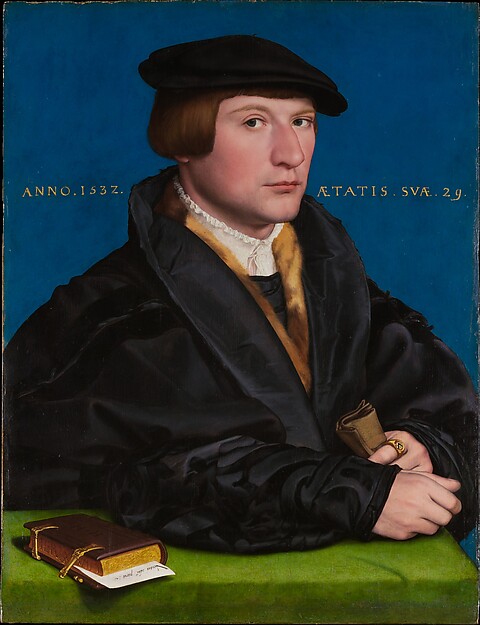
The Renaissance was a period of renewed interest in art, science, literature, and the cultures of ancient Greece and Rome. It began in Italian cities and later spread across Europe. Renaissance humanists studied history, languages, mathematics, geography, and classical texts. Their work encouraged careful observation, debate, and confidence in what people could learn and create.
Renaissance scholars did not work in isolation. They built on knowledge preserved and developed in many places, including the Byzantine Empire and the Islamic world. Translated works in mathematics, astronomy, medicine, and geography had circulated through trade, universities, and libraries. European sailors and mapmakers combined this knowledge with practical experience at sea.
Printing Spreads Information
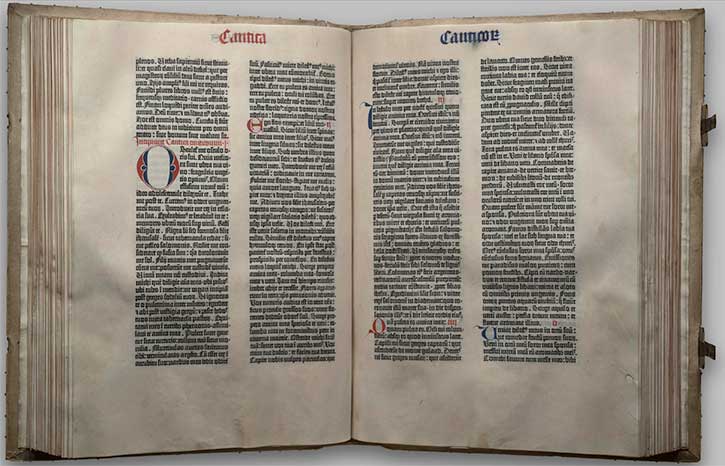
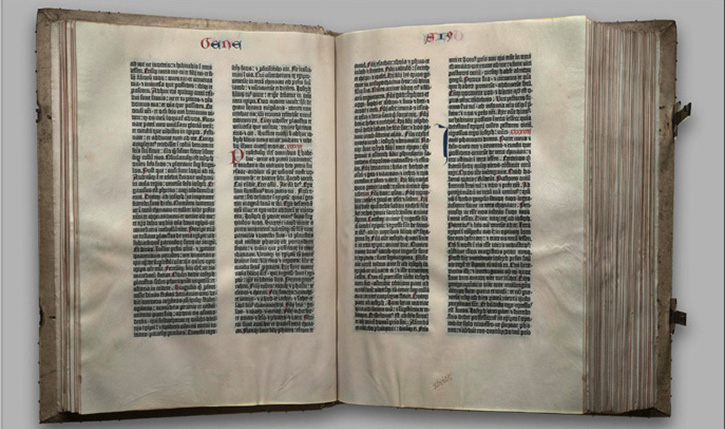
In the mid-1400s, Johannes Gutenberg developed a practical system for printing with movable metal type in Europe. Printing existed earlier in East Asia, but Gutenberg’s method helped books become faster and less expensive to reproduce in Europe. Printers could make many nearly identical copies instead of having each book copied by hand.
Printed books and images helped information travel. Readers could study new editions of classical texts, religious works, travel accounts, maps, and technical instructions. Printed information was not always accurate, and literacy remained limited. Still, printing made it easier for scholars, merchants, and navigators in different places to examine and share ideas.
Stronger Rulers and Greater Competition
During the 1400s, rulers in countries such as Portugal, Spain, France, and England worked to strengthen royal authority. They collected taxes, formed alliances, supported armies and fleets, and competed with rival states. Their control was never complete, but a monarchy could gather far more money and resources than a single sailor could.
A long ocean voyage required ships, crews, food, weapons, supplies, and permission to trade or claim land. Rulers might fund a voyage because they hoped to gain wealth, increase political power, spread Christianity, or weaken a rival. Competition did not guarantee success, but it made overseas expeditions worth the risk to some monarchs and investors.
The Conditions for Exploration
By the late 1400s, several pieces had come together: demand for Asian goods, experienced trading cities, growing knowledge, expanding print culture, improving ships and navigation, and rulers willing to finance expeditions. None of these developments alone caused the Age of Exploration. Together, they created the conditions for sustained European voyages across the Atlantic and around Africa.
These voyages would connect distant regions more directly, but they would not affect everyone equally. Exploration brought new exchanges and knowledge while also leading to conquest, forced labor, enslavement, disease, and colonization. Understanding the changes within Europe helps explain why the voyages began; later readings will examine what happened when Europeans entered lands already inhabited and governed by other peoples.
Check Your Understanding
Choose the best answer. If you miss one, use the feedback and try again.
Which combination best explains why some European kingdoms could begin sponsoring long-distance voyages?
What was one important effect of movable-type printing in Europe?
Why is it inaccurate to say Europeans created the trade networks connecting Europe and Asia?